
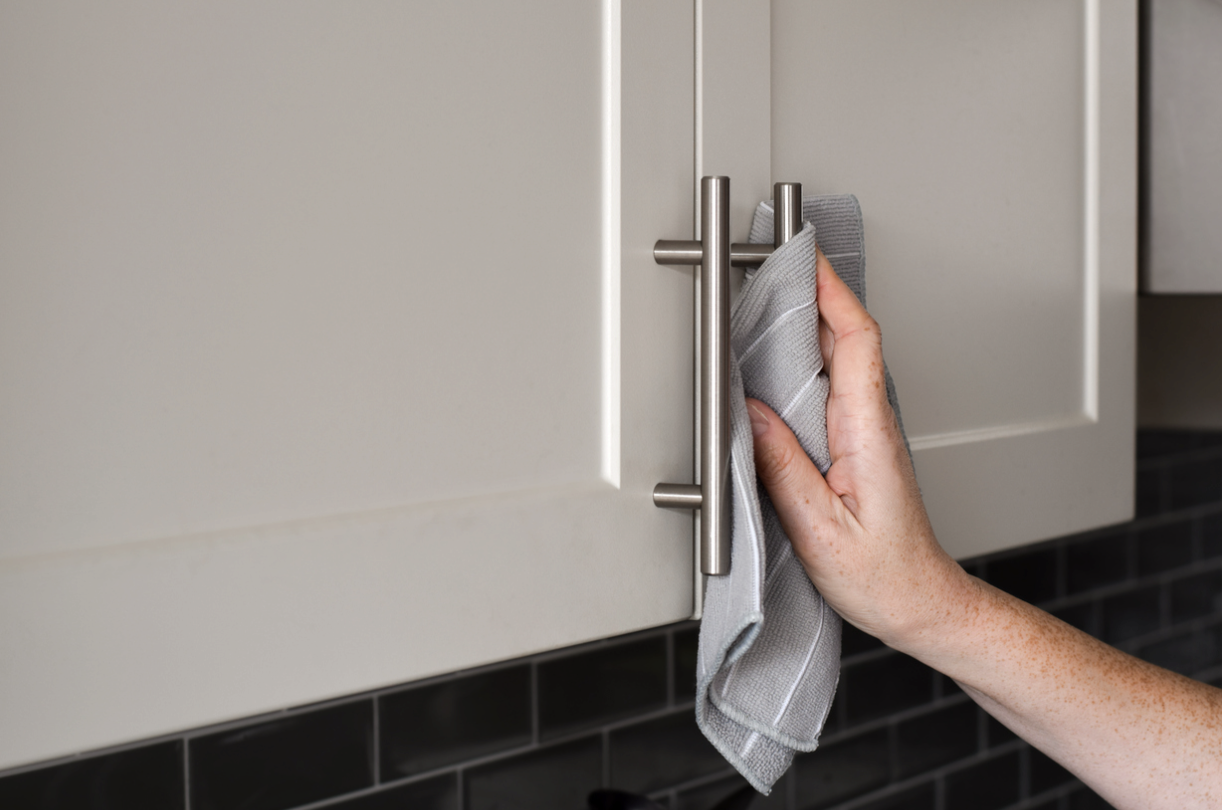
Between cooking splatters, fingerprints, and everyday dust, kitchen cabinets can quickly lose their shine and start looking tired. The good news? With the right approach and a few simple steps, you can restore your cabinets to their original glory and keep them looking beautiful for years to come.
This guide covers everything you need to know about cleaning kitchen cabinets, from daily maintenance to tackling stubborn stains and grease buildup. We'll walk you through the best methods for different cabinet materials, the cleaning agents to use (and avoid), and tips to make your regular cleaning routine quick and effective.
Why Regular Cleaning Matters
Your kitchen cabinets are exposed to more grime than you might realize. Every time you cook, grease particles become airborne and settle on cabinet surfaces, especially those near the stove. Over time, this grease build-up attracts dust and dirt, creating a sticky film that becomes harder to remove the longer it sits. This combination of grease and dust is also flammable, and heavy buildup on cabinets near your stovetop can increase the risk of kitchen fires.
Regular cleaning prevents this accumulation and protects your cabinet finish from permanent damage. For wood cabinets in particular, neglecting maintenance can lead to discoloration, warping, and deterioration of the finish. A consistent cleaning schedule keeps your kitchen looking fresh and extends the life of your cabinetry.
What You'll Need to Clean Kitchen Cabinets
Before you start, gather these supplies:
-
Multiple soft or microfiber cloths (for scrubbing and drying)
-
Mild dish soap
-
Warm water
-
Spray bottle
-
White vinegar (optional)
-
Furniture polish or olive oil (for wood cabinets)
-
Bucket or bowl
Cleaning Solutions by Cabinet Type
Different cabinet materials require different approaches. Here's a quick reference:
|
Cabinet Type |
Recommended Cleaning Solution |
What to Avoid |
|
Wood Cabinets |
Mild dish soap and warm water; follow with furniture polish |
Acidic cleaners, abrasive cleaners, excess water |
|
Laminate Cabinets |
Soapy water or diluted vinegar solution |
Steel wool, magic eraser on glossy finishes |
|
Painted Cabinets |
Gentle soapy water solution |
Harsh chemicals, abrasive scrubbers |
|
Glass Inserts |
Glass cleaner or diluted vinegar |
Ammonia-based products near wood frames |
Step-by-Step Guide to Cleaning Kitchen Cabinets

Basic Cleaning for Everyday Maintenance
For routine cleaning, follow these simple steps:
-
Prepare your cleaning solution: Mix a few drops of mild dish soap with warm water in a spray bottle or bowl. You want the water solution to be sudsy, but not overly soapy.
-
Dampen your cloth: Dip one of your microfiber cloths into the soapy water and wring it out thoroughly. You want a damp cloth, not a dripping one; Excess moisture can damage cabinet finishes.
-
Wipe cabinet surfaces: Starting from the top and working down, wipe each cabinet door and frame. Pay extra attention to areas around cabinet handles, as these collect the most fingerprints and grime.
-
Rinse with a clean cloth: Use a fresh cloth damp with plain warm water to remove any soap residue.
-
Dry thoroughly: Go over all surfaces with a dry cloth to prevent water spots and protect the finish.
For best results, complete this entire process on one cabinet before moving to the next. This prevents soapy water from sitting too long on any surface.
Deep Cleaning for Greasy Kitchen Cabinets
When regular cleaning isn't cutting through the grime, it's time for a deeper approach. Greasy kitchen cabinets, especially those above the stove, need extra attention to remove built-up grease and cooking residue.
The Vinegar Method
A diluted vinegar solution works wonders on grease without harsh chemicals. Mix one part water with one part white vinegar in a spray bottle. Spray the solution onto the cabinet surface (or onto your cloth for wood kitchen cabinets), let it sit for a minute or two, then wipe with a clean cloth.
Important: While diluted vinegar is generally safe for most cabinet types, avoid using any acidic cleaner on natural stone or unsealed wood. Always test in an inconspicuous area first.
The Baking Soda Paste
For stubborn stains and heavy grease buildup, create a paste with baking soda and water. Apply it to the dirty spot, let it sit for a few minutes, then gently scrub with a soft cloth in circular motions. This method provides light abrasion without scratching most cabinet finishes. Rinse thoroughly and dry.
Special Care for Wood Kitchen Cabinets
Wood cabinets require a gentler touch and some additional steps to maintain their beauty and integrity. The natural grain and finish of wood can be damaged by harsh cleaning agents or excessive moisture.
Cleaning Wood Cabinets
-
Use only a lightly damp cloth. Never saturate wood with water.
-
Clean in the direction of the wood grain.
-
Dry immediately after cleaning.
-
Apply furniture polish or a mixture of olive oil and vinegar periodically to nourish the wood and restore shine.
What to Avoid on Wood Cabinets
-
Abrasive cleaners and steel wool – These scratch and dull the finish
-
Ammonia-based products – They can strip the finish over time
-
Bleach or harsh chemicals – These cause discoloration
-
Magic eraser on finished wood – It can remove the protective coating
Cleaning Laminate Cabinets
Laminate cabinet surfaces are more forgiving than natural wood but still require proper care. The plastic coating can be damaged by abrasive materials or excessive scrubbing.
For best results with laminate cabinets, stick to soapy water or a diluted vinegar solution. A microfiber cloth works particularly well because it picks up dust and grime without scratching. Avoid using steel wool or abrasive pads, which can create scratches that trap dirt over time.
Don't Forget the Cabinet Hardware
Cabinet handles and knobs collect just as much grime as the cabinet doors themselves, sometimes more. These high-touch areas deserve attention during every cleaning session.
For most cabinet hardware:
-
Remove the hardware if possible (this allows for more thorough cleaning).
-
Soak metal hardware in warm soapy water for 10-15 minutes.
-
Scrub gently with a soft toothbrush to reach crevices.
-
Rinse, dry completely, and reinstall.
For hardware that can't be removed, wipe with a damp cloth dipped in your cleaning solution, then buff dry with a clean cloth.
Common Mistakes to Avoid When Cleaning Kitchen Cabinets
Even with good intentions, some cleaning habits can do more harm than good. Here are the most common mistakes to watch out for.

Quick Tips for Best Results
-
Always test new cleaning agents in a hidden spot before using them on visible cabinet surfaces.
-
Work from top to bottom so drips don't dirty areas you've already cleaned.
-
Keep a dry microfiber cloth in your kitchen cupboards for quick daily wipe-downs.
-
Address spills and splatters immediately. They're much easier to clean when fresh.
-
Use your range hood when cooking to reduce grease in the air.
-
Consider cabinet liners on shelves to make interior cleaning easier.
Creating a Cleaning Schedule

Staying on top of cabinet maintenance is easier with a schedule. Here's a recommended routine:
Weekly: Wipe down cabinet doors and handles with a dry microfiber cloth to remove dust and light fingerprints. Focus on cabinets near the stove and sink, as these are most prone to grease and splatter buildup.
Monthly: Do a thorough wipe-down with your soapy water solution. Clean all cabinet surfaces, including the tops of upper cabinets where dust accumulates.
Quarterly: Perform deep cleaning on areas with visible grease buildup. Remove and clean cabinet hardware. For wood cabinets, apply furniture polish or conditioning oil.
Annually: Empty cabinets and clean both interior and exterior surfaces. Check for any damage that needs repair and address chips or worn areas in the finish.
Keep Your Cabinets Looking Their Best
Clean kitchen cabinets make the entire space feel fresh and inviting. With the right cleaning solution, a soft cloth, and a little regular attention, you can prevent grease buildup and keep your cabinets looking beautiful for years. Remember to match your cleaning approach to your cabinet material, avoid harsh abrasive cleaners, and always dry surfaces thoroughly.
If you're ready for a kitchen refresh that goes beyond cleaning, 1-800 Cabinets can help. From classic to modern styles, we offer quality cabinetry delivered straight to your door at an affordable price. Explore our selection and find the perfect cabinets for your space.


Please complete your information below to login.
Sign In
Create New Account